

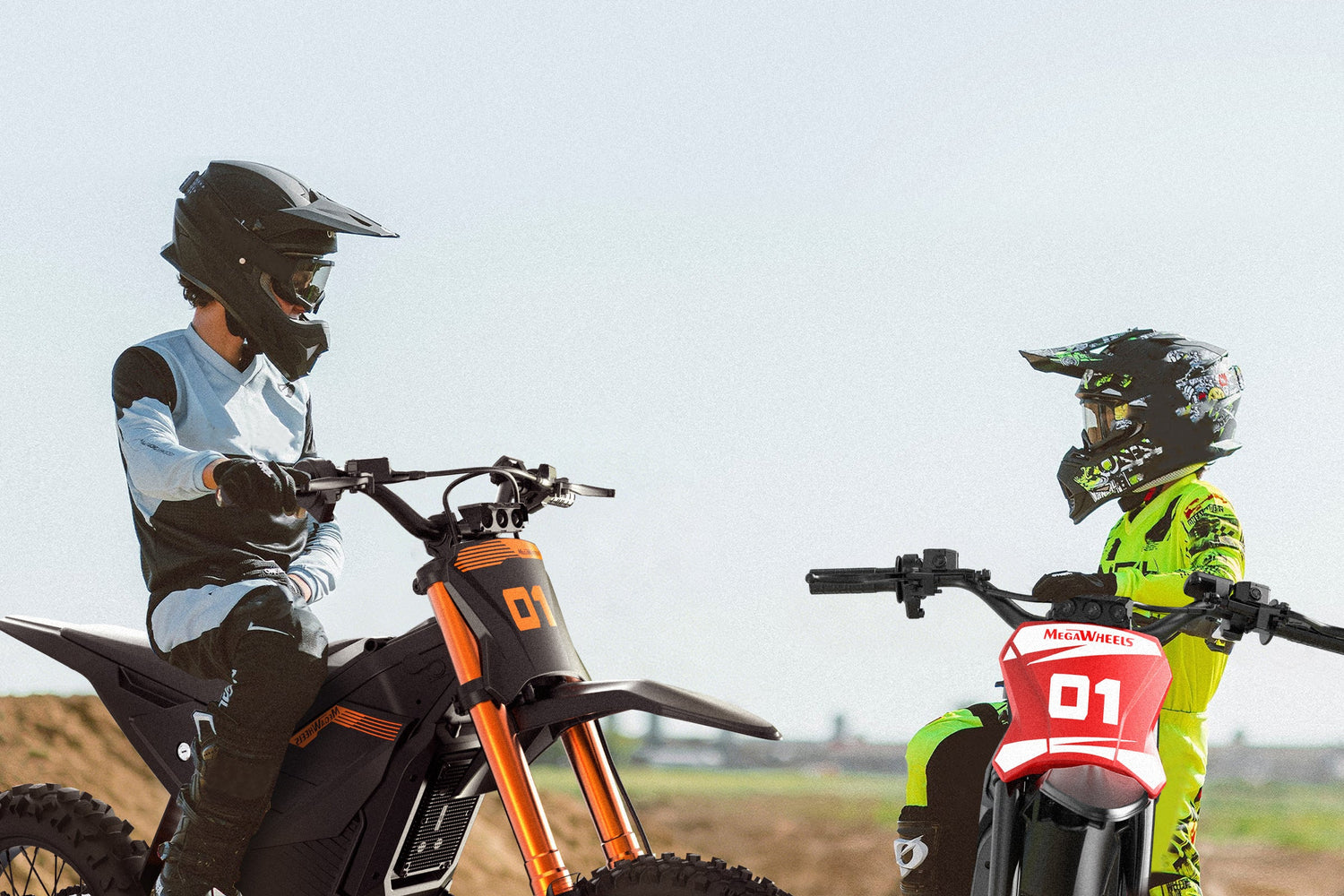
How Electric Dirt Bikes Are Changing Outdoor Sports for Teenagers

Skate parks, soccer fields, and BMX trails used to define teen outdoor sports. Something different rolls onto the scene every summer now, and it doesn't sound like anything that came before. Quiet is the new loud. Electric dirt bikes have pulled an entire generation off the couch and onto the trails.
Inside this guide:
● Why teens are trading screens for trail time
● How electric is replacing gas for younger riders
● The expanding summer riding scene
● The community fueling the boom
● Where teen motorsports goes from here
The D2 series from MEGAWHEELS sits at the center of this shift, with three tiers built around how teens actually progress in the sport. More on that throughout.
Why Teens are Trading Screens for Trails
The global dirt bike market hit $8.66 billion in 2025 and is on track to clear $9.17 billion in 2026, with electric and youth-focused models leading the growth. Teens are a big chunk of that lift.
A few reasons stack up:
● Instant satisfaction. Twist the throttle, and the bike goes. No clutch to figure out, no carb to choke. The learning curve fits how this generation already learns
● Content-friendly. Every ride is a TikTok or YouTube short waiting to happen. Teen riders log millions of views on trail clips and bike build videos
● A real outlet for restless energy. Soccer and skate parks aren't for everyone. Off-road riding offers structured risk, physical effort, and a visible skill curve
● Lower barriers. No gas, no oil changes, no kickstart frustration. A teen can keep their own bike running with a charger and a wrench
Google search interest in electric dirt bike for teens has more than doubled across the last three summers. The trend isn't a fluke. It's a shift in how a generation defines outdoor sport. For more on what summer riding looks like for families, read our guide to outdoor fun on two wheels.
Pro tip: If your teen is asking for one, the conversation worth having isn't if but which tier and where they'll ride.
Why Electric is Winning Over Gas
For a generation that grew up with smartphones, gas dirt bikes feel like flip phones. Electric simply matches how they expect machines to work.
Here's the comparison most parents and teens land on:
|
Factor |
Gas dirt bike |
Electric dirt bike |
|
Startup |
Kickstart or button, choke, warm up |
Press button, twist throttle |
|
Maintenance |
Oil, spark plugs, carb tuning, exhaust |
Charge battery, check brakes and chain |
|
Noise |
90+ dB, neighbors complain |
Whisper-quiet, ride at 7 AM if you want |
|
Smell and fumes |
Premix and exhaust |
None |
|
Cost over time |
Fuel, parts, frequent service |
Electricity and minor parts |
|
Beginner control |
Throttle response can be jumpy |
Adjustable ride modes cap the top end |
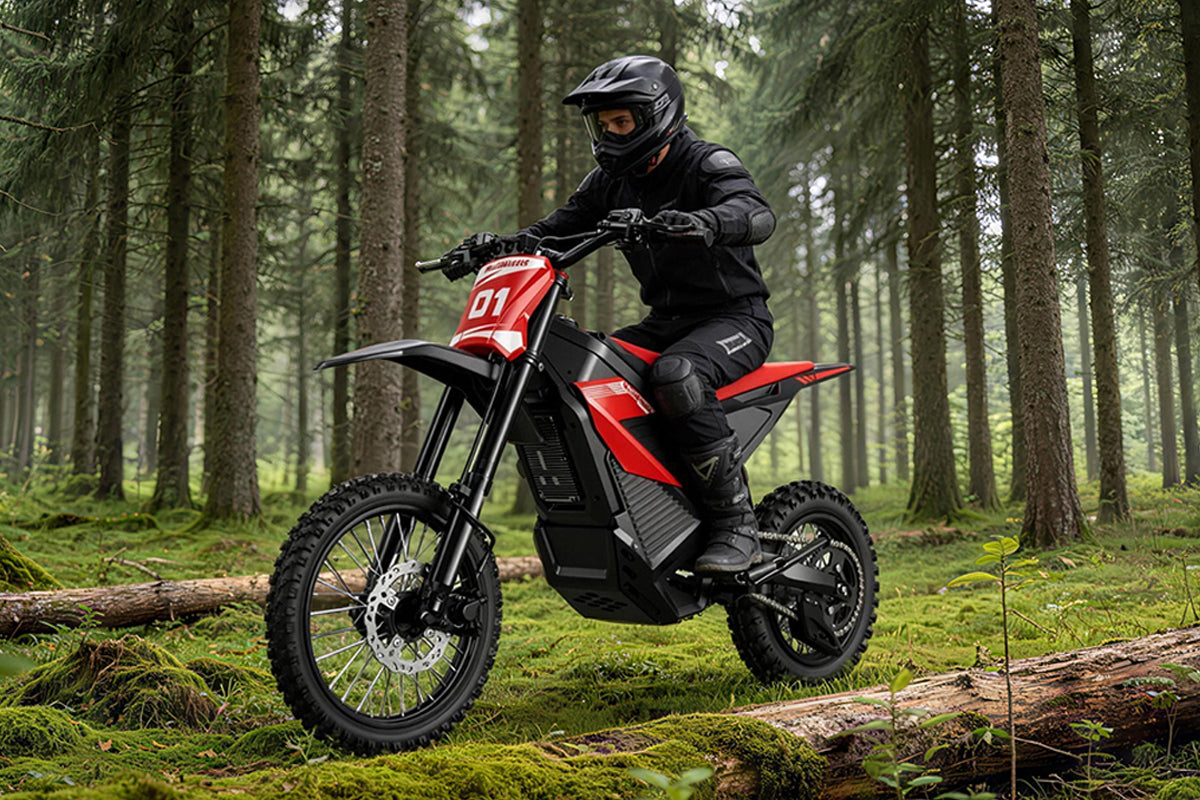
Power isn't the trade-off it used to be. The D2 Pro pushes 6000W with 226 Nm of torque, putting it shoulder-to-shoulder with mid-range gas bikes on real trails. The D2 and D2 Lite scale that performance down to match younger riders without losing the fun.
One quiet upside parents' love: neighbor complaints disappear. A bike that runs at conversation-volume can practice in the backyard. A 90-decibel two-stroke cannot.
To see how each tier maps to age and skill, check our breakdown on what age a kid can ride an electric dirt bike.
The Summer Riding Scene has Expanded

Summer used to mean one of two things: backyard laps or a long drive to the nearest motocross track. That's changed.
Summer riding in 2026 looks different:
● More OHV parks open to electric. Many state and federal trail systems now welcome electric off-road bikes alongside gas, sometimes with relaxed noise rules
● Pop-up youth rider events. Dealers and brands run weekend ride days where teens demo bikes, learn skills, and meet other riders
● Backyard-to-trail flexibility. A quiet electric bike lets teens practice at home all week and hit the trails on weekends without the gas-and-trailer ritual
● Summer camps with electric programs. Off-road riding camps have added electric tracks for younger campers, often using bikes with adjustable speed limits
The shift matters because access drives participation. Every extra OHV park that allows electric means more riders, more events, and more local riding culture. The Bureau of Land Management alone oversees thousands of miles of motorized trails across the western US.
Pro tip: Check your state's OHV registration page in May. Permits often run on a calendar year, and getting yours sorted before peak summer saves a weekend.
The Community Fueling the Boom
Electric dirt biking didn't grow on dealer floors. It grew on phones.
TikTok, YouTube Shorts, and Instagram Reels turned every weekend ride into shareable content. A 14-year-old landing a clean jump now has the same reach as a sponsored athlete had 10 years ago. The visibility loop feeds itself: kids see clips, get curious, get a bike, post their own clips.
A few things have made the community sticky:
● Brand-rider relationships. Manufacturers send bikes to teen creators in exchange for content. The relationship is direct, casual, and visible
● Build culture. Riders share customization tips, decal designs, and upgrade walkthroughs. The bike becomes a project, not just a vehicle
● Local riding groups. Discord servers, Strava clubs, and Facebook groups organize weekend rides at OHV parks nationwide
● Female riders breaking through. A new wave of teen girls in the scene is shifting what the average rider looks like
Brands that take this generation seriously, like MEGAWHEELS with the D2 series, are building products around how teens actually use them. The result is bikes that match the culture instead of fighting it.
Why Parents Are Saying Yes
For decades, the standard parent reaction to "I want a dirt bike" was a flat no. Too loud, too dangerous, too much hassle. Electric has flipped most of those objections.
What's actually changed in the parent calculus:
● Noise. A quiet bike means no neighbor complaints, no early-morning conflicts, and practice sessions that don't require driving to a remote field
● Adjustable speed limits. Parents can cap the top end at 15 mph for week one, raise it to 25 mph by week three, and unlock the full range only after their teen has shown they can handle it
● No fuel risk. A teen can charge a battery in the garage without anyone worrying about gas spills, fumes, or storing volatile liquids
● Lower maintenance ceiling. Parents who aren't mechanics don't need to learn carburetor work. A charger, basic tools, and a clear assembly walkthrough cover most of it
● Predictable cost. No surprise repair bills from a fouled spark plug or seized engine. Electric drivetrains are simpler and more durable
There's also a quieter motivation worth naming: parents want their kids off screens. A dirt bike pulls a teen outside for hours at a time, with physical effort, fresh air, and a real skill to learn. That's a trade most parents will take.
Set ride-mode rules before the first trip out. Most modern electric bikes let parents lock the top mode with a key or app, which removes a lot of arguments later.
What Riding Teaches That Screens Can't

Spend an afternoon at a youth OHV park, and the difference is obvious. Kids who ride show up focused, present, and tired in a good way. Screens don't do that.
A few skills the sport actually develops:
● Risk management. Reading terrain, judging speed, and knowing when to back off. These translate directly to driving a car later
● Mechanical fluency. Charging a battery, checking tire pressure, tightening bolts, adjusting brakes. Real ownership of a real machine
● Spatial awareness. Cornering, weight transfer, and line selection sharpen reflexes in a way few sports match
● Persistence. Crashing, getting up, trying again. The bike is patient, and the loop is honest
● Outdoor literacy. Reading weather, learning trail systems, and planning a ride. Skills that disappear when summer happens on a couch
There's also a community layer worth noting. Teens who ride tend to find other teens who ride. Local OHV parks, motocross tracks, and weekend group rides create real friendships rooted in shared effort, not just shared algorithms.
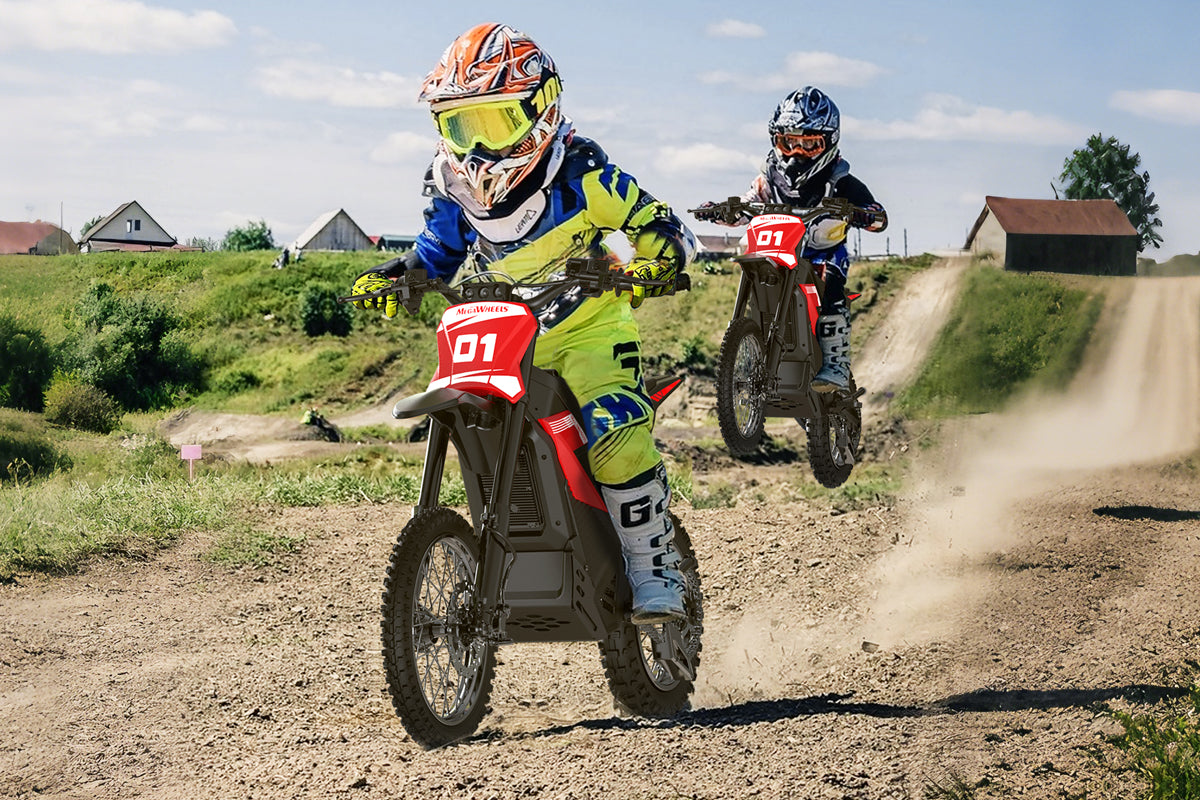
The D2 series stretches across that learning curve on purpose. The D2 Lite at 38 mph teaches the fundamentals. The D2 builds confidence at 40 mph with stronger torque. The D2 Pro at 50 mph rewards the skills built on the first two. A teen grows inside one family of bikes instead of restarting every couple of years.
Pro tip: Track your teen's progression with photos and short clips from each summer. Year-over-year is where the skill jump becomes obvious.
Ride Into Summer With MEGAWHEELS
Teen outdoor sport doesn't look the way it did a decade ago. Quieter bikes, bigger communities, more places to ride, and a generation that treats every weekend as content. Electric dirt bikes sit at the center of that shift, and the movement is just getting started.
Quick recap:
● Teens are trading screens for trail time
● Electric is replacing gas as the default for younger riders
● Summer riding venues are expanding nationwide
● TikTok and trail clubs power the community
● Brands building around how teens ride win the cycle
The MEGAWHEELS D2 series was built for exactly this moment. Three tiers, ages 8 to 18, US shipping in 2 to 7 business days, and the quiet performance that makes summer riding work in real neighborhoods.
Frequently asked questions
Why are electric dirt bikes so popular with teens?
Electric dirt bikes are quieter, easier to learn, and lower maintenance than gas. They fit how digital-native teens already approach hobbies and sports.
Are electric dirt bikes safer than gas dirt bikes?
Electric dirt bikes offer smoother throttle response and adjustable speed modes, making them easier to control. Safety still depends on gear, training, and supervision.
What's the best age to start riding an electric dirt bike?
Most kids can start on entry-level electric dirt bikes around age 8. Older teens handle higher-power models once they have basic balance and braking skills.
How fast do electric dirt bikes for teens go?
Entry-level electric dirt bikes top out around 38 mph. High-tier teen models reach 50 mph. Adjustable modes let you cap the top speed during learning.
Can teens ride electric dirt bikes in neighborhoods?
Electric dirt bikes are quiet enough for residential practice on private property. Public streets and sidewalks remain off-limits in most US states.

Leave a comment
All comments are moderated before being published.
This site is protected by hCaptcha and the hCaptcha Privacy Policy and Terms of Service apply.